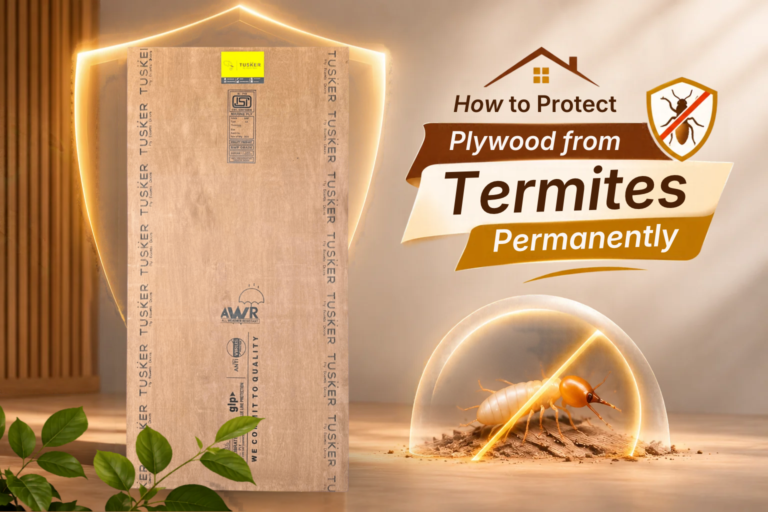
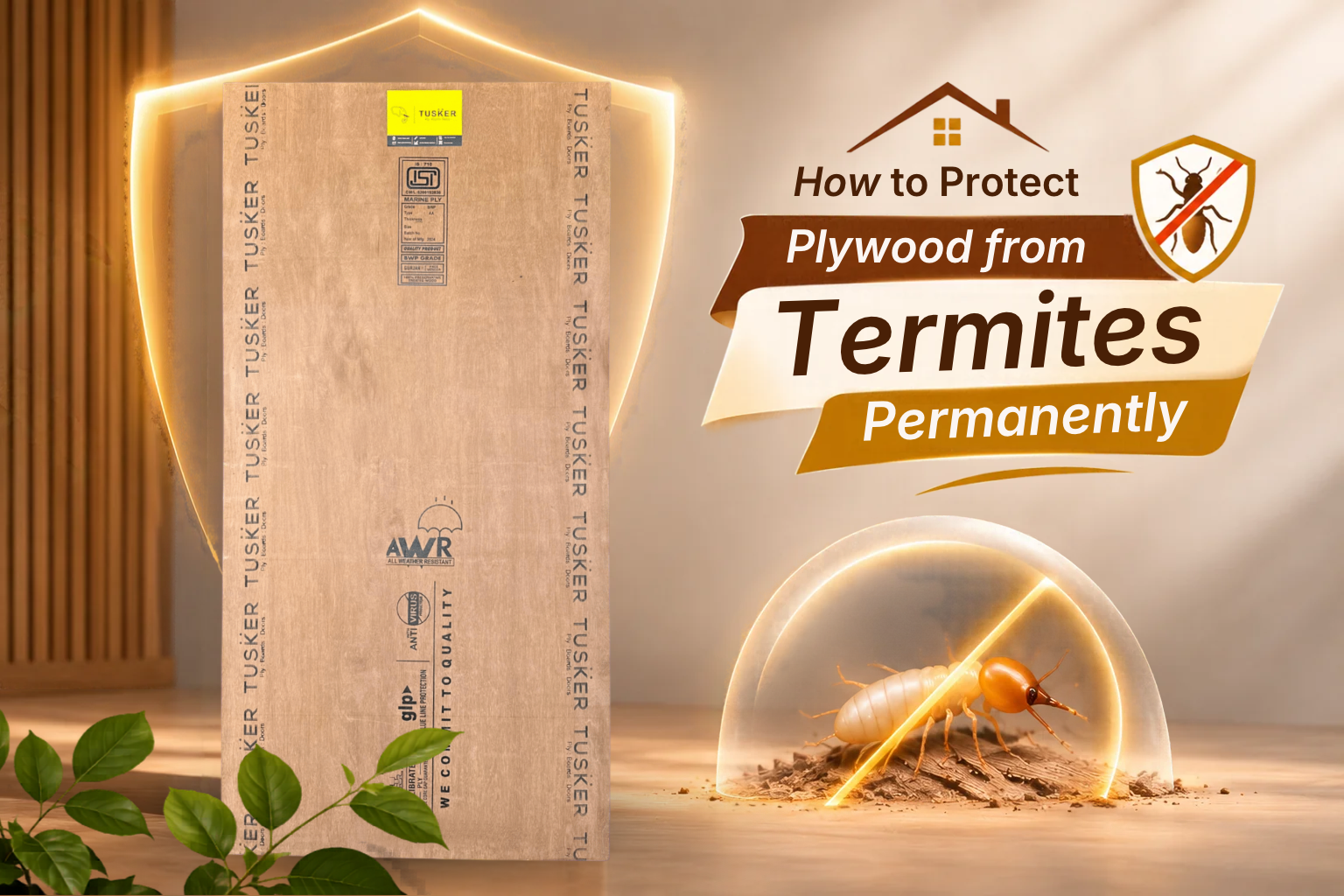
Imagine investing in beautiful wooden furniture, stylish wardrobes, and a modern modular kitchen, only to discover a few years later that termites have silently damaged the plywood from within. What once looked strong and durable may now require expensive repairs or complete replacement.
Termites are among the most destructive pests affecting wooden furniture and interiors. They feed on cellulose, a natural component of wood, and can cause significant damage before homeowners notice the warning signs.
The good news? Protecting plywood from termites is possible with the right combination of quality materials, preventive treatments, moisture management, and regular maintenance.
Choosing reliable plywood products from brands like Tuskerply, along with proper installation and maintenance practices, can help homeowners create interiors that remain strong, beautiful, and protected for years.
In this comprehensive guide, we’ll explore practical ways to prevent termite attacks on plywood, understand why termites invade furniture, and discover effective strategies for long-term protection.
Why Do Termites Attack Plywood?
Before understanding how to protect plywood from termites, it’s important to know what attracts these pests in the first place.
Plywood is manufactured by bonding thin layers of wood veneer together. Although this construction provides strength and dimensional stability, plywood still contains cellulose, which termites use as a food source.
Termites commonly thrive in environments where moisture, accessible wood, and suitable shelter are available.
For example, consider a modular kitchen installed against a wall with a hidden plumbing leak. Over time, moisture accumulates behind the cabinets, creating conditions that can encourage termite activity. Without early detection, termites may enter through wall gaps, flooring, or other concealed openings.
Common signs of termite infestation
- Hollow-sounding wooden surfaces
- Mud tubes along walls, flooring, or furniture
- Discarded termite wings near windows or cabinets
- Weak, damaged, or crumbling plywood
- Unexplained damage to wooden furniture
Pro Tip: Inspect the areas behind wardrobes, beneath kitchen sinks, and around wooden door frames. These concealed spaces can allow termite activity to develop unnoticed.
Key Takeaway: Understanding termite behaviour helps homeowners identify vulnerable areas and take preventive action before significant damage occurs.
1. Choose High-Quality Termite-Resistant Plywood
The foundation of termite protection begins with selecting the right plywood.
While ordinary untreated plywood can be vulnerable to termite attacks, plywood manufactured with appropriate preservative treatments can offer improved resistance.
When planning a new home, modular kitchen, wardrobe, or furniture project, choosing high-quality plywood from Tuskerply can be an important step toward building long-lasting interiors.
However, buyers should verify the specific product’s anti-termite treatment, certifications, and warranty rather than assuming that every plywood variant provides identical protection.
What should you look for when purchasing plywood?
- Factory-applied anti-termite treatment
- Quality manufacturing standards
- Appropriate moisture-resistance specifications
- Reliable product documentation and warranty terms
- Suitability for the intended application
Real-life example
Imagine two homeowners installing identical wardrobes. One chooses untreated, low-cost plywood without considering environmental conditions. The other selects appropriately treated plywood, seals exposed edges, and ensures proper installation.
If termites are present in the building, the second homeowner has taken several important steps to reduce the risk of damage.
Why choosing the right plywood matters
Selecting suitable plywood can help:
- Reduce vulnerability to termite attacks
- Extend furniture service life
- Lower the likelihood of premature replacement
- Protect the long-term value of interior investments
Pro Tip: Before buying Tuskerply plywood, ask your dealer about the exact grade, available anti-termite protection, and applicable product warranty.
Key Takeaway: Quality plywood is the first line of defence, but even treated plywood benefits from proper installation and broader building-level termite prevention.
2. Apply Anti-Termite Treatment Before Installation
One of the most effective ways to reduce termite damage is to treat vulnerable wooden components before they are installed.
Anti-termite treatments can help protect plywood against infestation, particularly around cut edges, joints, and concealed surfaces.
Wood preservatives, including suitable borate-based formulations, may be used where approved and compatible with the plywood and its intended application.
How to protect plywood using anti-termite treatment
- Inspect the plywood for existing damage or signs of infestation.
- Select a treatment approved for the relevant type of wood and application.
- Apply it according to the manufacturer’s instructions, paying attention to accessible cut edges and vulnerable areas.
- Allow the treated material to dry or cure as instructed.
- Complete finishing and installation only after confirming product compatibility.
Real-life example
A carpenter installing a modular kitchen may cut plywood sheets to create cabinets, shelves, and drawers. These cuts expose fresh wood edges that may require additional protection.
Applying a compatible preservative to vulnerable cut edges before finishing can strengthen the overall preventive strategy.
Benefits of proper anti-termite treatment
- Adds protection to vulnerable wood surfaces
- Supports long-term furniture preservation
- Helps reduce the risk of concealed termite damage
- Complements factory-applied wood treatments
Pro Tip: Use only suitable, legally approved wood-preservative products, follow label instructions, and consult a qualified professional when treatment involves hazardous chemicals. Never assume that a surface coating alone will eliminate an existing termite colony.
Key Takeaway: Preventive treatment works best before furniture assembly, when exposed edges and hidden surfaces are easier to access.
3. Seal and Finish Plywood Properly
A beautifully finished piece of furniture does more than improve your home’s appearance. Correct finishing can also help reduce moisture exposure and protect vulnerable plywood surfaces.
Unsealed plywood edges may absorb moisture more readily, potentially causing swelling, deterioration, and conditions that favour certain pests.
Using appropriate laminates, veneers, paints, and edge-banding materials can improve the durability and appearance of finished plywood furniture.
Recommended plywood finishing methods
- High-pressure laminates: Provide a durable decorative surface and help protect against everyday wear.
- Water-resistant coatings: Help reduce moisture absorption when suitable products are applied correctly.
- Edge banding: Covers exposed plywood edges and supports a neat, finished appearance.
- Compatible sealants: Help protect selected joints and exposed areas against moisture entry.
Real-life example
Consider a bathroom vanity made from plywood. The visible surfaces may have attractive laminate finishes, but if the edges around the sink remain exposed, repeated water contact can damage the material.
Properly sealing these vulnerable areas can reduce moisture-related deterioration and help preserve the cabinet.
It’s important to remember that laminates and coatings are not substitutes for professional termite control. Termites may still find access through hidden joints, gaps, or untreated sections.
Pro Tip: Pay special attention to sink cutouts, cabinet bases, and areas where plywood meets walls or flooring. Choose finishing materials appropriate for the level of moisture exposure.
Key Takeaway: Proper sealing improves plywood durability, reduces moisture absorption, and supports a more effective termite-prevention strategy.
4. Keep Plywood Dry and Control Moisture
Moisture management is one of the most important aspects of protecting wooden interiors.
Damp conditions favour many termite species, particularly subterranean termites, which depend on moisture to survive.
A well-maintained, dry home is generally less favourable to these termites than one with persistent leaks and damp surfaces.
Simple ways to control moisture around plywood
- Repair leaking taps and plumbing connections promptly.
- Ensure adequate ventilation in kitchens and bathrooms.
- Prevent water from collecting beneath cabinets.
- Address wall seepage, roof leaks, and damp flooring.
- Avoid prolonged exposure of plywood furniture to standing water.
- Maintain drainage around the building.
Real-life example
Suppose a family installs a stylish modular kitchen using quality plywood. After several months, a small pipe beneath the sink begins leaking.
Because the leak remains unnoticed, the cabinet base stays damp. This moisture can damage the plywood and create conditions favourable to termite activity.
Fixing the leak early, drying the affected area, and checking for pest activity can prevent the situation from worsening.
Benefits of proper moisture control
Maintaining dry interiors helps reduce risks associated with termite activity, fungal growth, swelling, and premature furniture deterioration.
Pro Tip: Check kitchen sink cabinets and bathroom storage units at least once a month for dampness, water stains, and unusual odours.
Key Takeaway: Moisture control protects more than plywood. It contributes to healthier, longer-lasting interiors and helps reduce conditions that encourage termite infestation.
5. Consider Pre-Construction Anti-Termite Soil Treatment
When building a new home or commercial property, termite prevention should begin before furniture installation.
Subterranean termites often enter buildings from the surrounding soil through concealed pathways.
Professional pre-construction termite treatment can help establish a protective barrier against these termites.
How does pre-construction treatment work?
Depending on the construction design and applicable regulations, qualified professionals may apply approved soil treatments at designated stages of construction.
These treatments are intended to reduce the likelihood of subterranean termites entering the building.
Why is this important?
Imagine building a new house with premium interiors, including wardrobes, doors, and modular kitchen cabinets.
Even if the furniture uses properly treated plywood, termites may still enter through untreated building areas or construction gaps.
A coordinated protection strategy addresses risks at both the building and furniture levels.
Benefits of pre-construction termite protection
- Helps prevent subterranean termite entry
- Protects vulnerable building areas
- Complements the use of treated plywood
- Can reduce the likelihood of expensive future damage
Pro Tip: Discuss termite-prevention requirements with your architect, builder, or licensed pest-control specialist before construction begins. Treatment methods should follow local regulations and applicable technical standards.
Key Takeaway: Building-level termite control offers an important additional layer of protection that plywood treatment alone cannot provide.
6. Inspect and Maintain Plywood Furniture Regularly
Even high-quality, properly finished plywood requires periodic inspection.
Termites are often called silent destroyers because they can remain hidden inside wood, walls, and flooring for extended periods.
Regular inspections can help identify early warning signs before major damage occurs.
Areas homeowners should inspect
- Kitchen cabinets and sink units
- Wardrobes attached to walls
- Wooden door frames
- Storage units near damp walls
- Furniture placed directly against flooring
- Concealed corners and inaccessible joints
Warning signs that require attention
Look for mud tunnels, unexplained wood damage, discarded wings, and changes in the strength or appearance of wooden components.
Not every surface defect indicates termite damage, so professional identification is important.
Real-life example
During routine cleaning, a homeowner notices a narrow mud tube along the bottom edge of a wardrobe.
Instead of simply removing the visible tube and ignoring the problem, the homeowner arranges a professional inspection.
Early diagnosis may help identify active termite pathways and limit further damage.
Pro Tip: Conduct basic visual checks every few months and consider professional inspections at intervals appropriate to your property’s termite risk. If you discover suspicious mud tubes, photograph them and arrange an assessment rather than disturbing all the evidence.
Key Takeaway: Early detection is one of the most cost-effective ways to prevent small termite problems from becoming major furniture repairs.
7. Hire Professional Pest Control Services When Necessary
Homeowners sometimes attempt to eliminate termites using household sprays or temporary surface treatments.
However, visible termites may represent only a small part of a much larger colony.
Professional pest-control services can identify the termite species, locate likely entry points, and recommend appropriate treatment.
Common professional termite-control approaches
- Liquid barrier treatments: Designed to reduce subterranean termite access through treated soil areas.
- Termite baiting systems: Used to manage certain termite colonies through monitored bait stations.
- Targeted wood treatments: Applied to suitable affected wooden components where appropriate.
- Building inspections and monitoring: Help identify infestation patterns and determine whether additional treatment is necessary.
The correct method depends on the termite species, infestation severity, property design, and local conditions.
When should you contact a professional?
Arrange an inspection if you notice active mud tubes, termites emerging indoors, extensive hidden wood damage, or repeated signs of infestation after previous treatment.
Benefits of professional termite management
Professional services can help identify the source of infestation, select effective control methods, and establish suitable monitoring and follow-up plans.
Pro Tip: Choose a qualified pest-control provider that explains the treatment method, product safety requirements, expected service life, and follow-up schedule.
Key Takeaway: Professional termite treatment is particularly important when an infestation is already active. Surface-level DIY measures may not reach the colony responsible for the damage.
Can Plywood Be Made Permanently Termite-Proof?
This is one of the most common questions homeowners ask.
The answer is that no plywood or one-time treatment should be assumed to provide guaranteed lifetime protection against every termite species and infestation scenario.
Even termite-resistant plywood can become vulnerable if the building has active termite colonies, untreated entry points, persistent moisture problems, or damaged protective barriers.
However, homeowners can significantly reduce the risk of termite damage by combining several preventive measures.
The most effective approach includes selecting appropriately treated plywood, completing proper installation and finishing, controlling moisture, maintaining building-level protection, and arranging inspections when needed.
For homeowners considering Tuskerply plywood for furniture and interior applications, understanding the specifications and treatment claims of the selected product is an important starting point.
Pro Tip: Focus on long-term termite risk management rather than relying on a single product or chemical treatment as a permanent solution.
Key Takeaway: Reliable termite protection comes from combining quality materials with good construction practices and consistent maintenance.
Quick Checklist: How to Protect Plywood from Termites
| Preventive measure | Practical benefit |
|---|---|
| Choose appropriately treated plywood | Reduces the wood’s vulnerability to termite attack |
| Apply compatible preservatives where needed | Protects susceptible edges and surfaces |
| Seal exposed edges and joints | Helps limit moisture absorption |
| Repair leaks and dampness | Reduces conditions favourable to termites |
| Arrange building-level termite prevention | Helps control subterranean termite entry |
| Inspect furniture regularly | Supports early detection of damage |
| Seek professional treatment when required | Helps address active infestations and underlying causes |
Frequently Asked Questions (FAQs)
1. What is the best way to protect plywood from termites?
The best approach is to use appropriately treated plywood, protect vulnerable edges, prevent moisture accumulation, and maintain an effective termite-management plan for the property. Regular inspections help identify potential problems early.
2. Is termite-resistant plywood completely termite-proof?
Not necessarily. Termite-resistant plywood is designed to reduce susceptibility to termite damage, but protection depends on the product’s treatment, performance specifications, installation conditions, and exposure to termites.
3. Can termites damage laminated plywood?
Yes. Laminates protect finished surfaces, but termites may access the underlying wood through exposed edges, joints, or hidden entry points. Lamination alone does not guarantee termite protection.
4. How can I protect kitchen plywood from termites?
Choose suitable treated plywood, seal vulnerable edges and cutouts, repair plumbing leaks, maintain ventilation, and inspect concealed cabinet areas regularly.
5. Does waterproof plywood prevent termite attacks?
Not automatically. Water resistance and termite resistance are different performance characteristics. Waterproof or water-resistant plywood may withstand moisture exposure better, but termite protection depends on appropriate preservative treatment and other preventive measures.
6. How often should termite treatment be repeated?
The appropriate schedule depends on the treatment method, product label, environmental conditions, and termite activity. Professional inspections and monitoring should guide decisions about retreatment.
7. Is Tuskerply plywood suitable for long-lasting furniture?
Tuskerply can be considered when selecting plywood for furniture and interiors. Buyers should check the specific product’s grade, intended application, moisture-resistance properties, anti-termite treatment claims, and warranty before making a purchase.
Conclusion: Protect Your Plywood, Protect Your Investment
Beautiful interiors are an investment in comfort, functionality, and everyday living. Whether you’re designing a modular kitchen, creating a stylish wardrobe, or furnishing a new home, selecting the right plywood and protecting it against termites can make a meaningful difference to its long-term performance.
Termite protection begins with informed material choices, but it doesn’t end there.
Proper sealing, moisture management, preventive building treatments, regular inspections, and professional pest control all contribute to keeping wooden interiors in better condition.
By choosing plywood suited to your needs from Tuskerply and following a comprehensive termite-prevention strategy, you can reduce the risk of avoidable damage and help preserve the beauty and durability of your interiors for years to come.
Because strong interiors deserve thoughtful protection — from the inside out.