A wardrobe is one of the most frequently used pieces of furniture in any home. From storing everyday clothing to protecting seasonal wear and valuables, it quietly works in the background every single day. Yet, while homeowners spend hours choosing wardrobe designs, colors, and finishes, the material inside often receives very little attention.
Imagine spending a significant amount on a beautiful wardrobe only to notice sagging shelves, swollen panels, or loose hinges after a few years. In most cases, the design isn’t the problem—the material is.
Choosing the right wardrobe material ensures your furniture remains strong, durable, and attractive for years. This guide explains the most popular wardrobe materials, where each one performs best, and what you should look for before making your final decision.
Why Your Wardrobe Material Matters
A wardrobe is expected to carry heavy loads throughout its life. Clothes, blankets, luggage, accessories, and daily use all put pressure on its structure.
The right material affects:
- Overall durability
- Moisture resistance
- Screw-holding strength
- Load-bearing capacity
- Resistance against termites and borers
- Long-term appearance
Selecting quality materials today can help you avoid costly repairs or replacements in the future.
Real-Life Example
A family living in a humid coastal city installed an attractive wardrobe made with low-quality particle board. Within two monsoon seasons, the shelves started bending and the edges swelled due to moisture. Their neighbor chose a high-quality plywood wardrobe and experienced none of these problems, despite identical room conditions.
Pro Tip
Always think beyond appearance. The material hidden beneath the surface determines how long your wardrobe will actually last.
Common Wardrobe Materials Explained
Understanding the available materials makes choosing much easier.
1. Plywood
Plywood is widely regarded as one of the strongest materials for wardrobe construction. It is manufactured by bonding multiple layers of wood veneers together, with each layer placed at a different grain direction. This cross-layer construction gives plywood exceptional strength and stability.
A plywood wardrobe offers:
- Excellent load-bearing capacity
- Strong screw grip
- Better resistance to warping
- Long service life
- Reliable performance in varying weather conditions
For homeowners looking for durability, plywood remains one of the safest investments.
Pro Tip
Choose quality plywood for the wardrobe body, shelves, and structural framework to maximize longevity.
2. MDF (Medium Density Fibreboard)
MDF is manufactured by compressing fine wood fibers with resin under high pressure.
It is known for:
- Smooth surface finish
- Perfect painted appearance
- Uniform edges
- Modern design flexibility
However, standard MDF is less resistant to moisture than plywood and should be used carefully in humid environments.
Best Uses
- Wardrobe shutters
- Decorative panels
- Painted furniture finishes
Pro Tip
If selecting MDF, choose low-emission grades (E0 or E1) for healthier indoor air quality.
3. Decorative Veneer
A wood veneer wardrobe combines the beauty of natural wood with the strength of an engineered core such as plywood.
Benefits include:
- Premium natural appearance
- Rich wood grain
- Elegant finish
- Lower cost than solid wood
Many luxury bedroom wardrobes use veneer finishes to achieve a sophisticated look.
Pro Tip
Veneer gives you the appearance of expensive hardwood without the maintenance requirements of solid timber.
4. Particle Board
Particle board is manufactured using wood chips and adhesive compressed into boards.
Although affordable, it has several limitations:
- Weak screw holding
- Lower durability
- Poor moisture resistance
- Reduced lifespan under heavy use
It is generally suitable for temporary furniture or budget projects.
Pro Tip
Avoid using particle board for wardrobe shelves or heavy storage areas.
5. Engineered Composite Boards
Modern engineered boards combine different manufacturing techniques to improve stability and reduce costs.
Quality varies significantly between manufacturers, making it essential to choose products from trusted brands.
Pro Tip
Always verify certifications instead of relying solely on marketing claims.
Which Material Works Best for Different Parts of a Wardrobe?
Different sections of a wardrobe require different materials.
Wardrobe Body
The wardrobe frame carries the entire structure, making strength the top priority.
High-quality BWP-grade plywood is an excellent choice for:
- Ground-floor homes
- Coastal regions
- Humid climates
- Areas near bathrooms
In dry environments, MR-grade plywood provides dependable performance while remaining cost-effective.
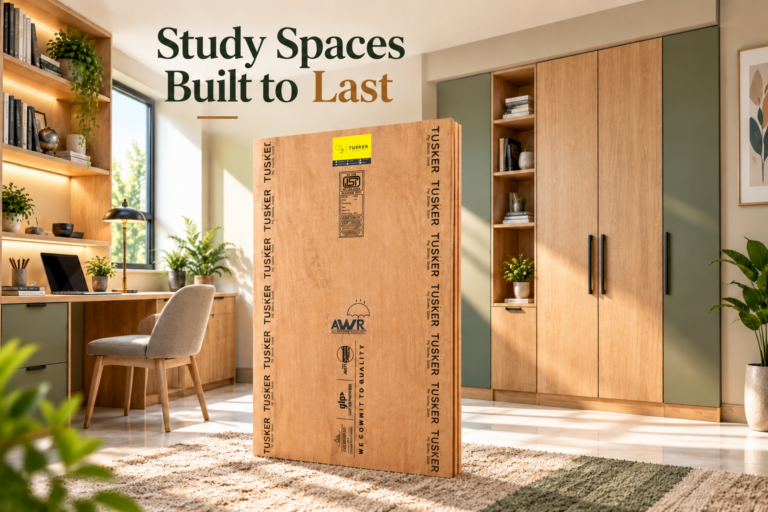
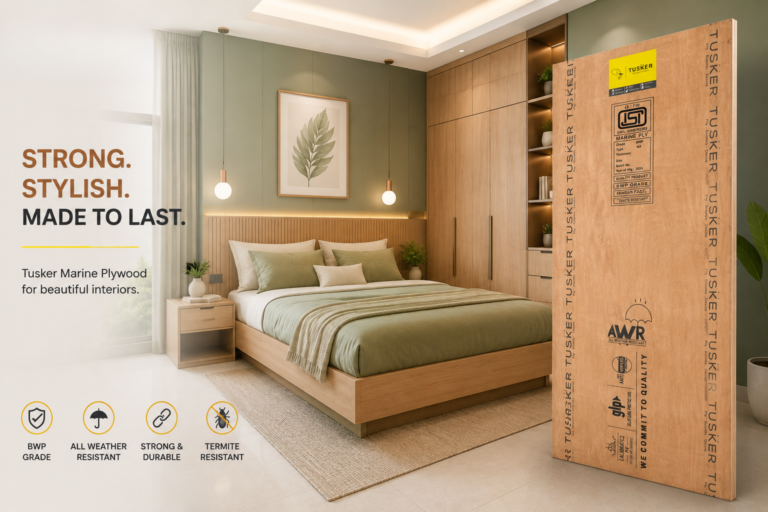
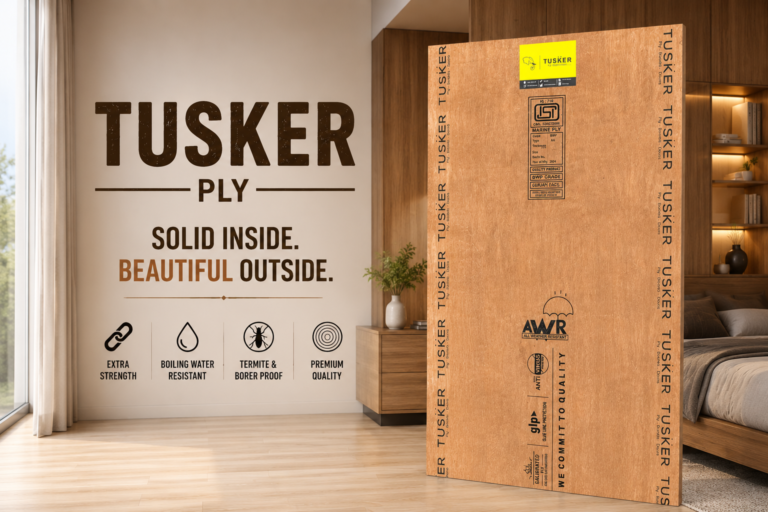
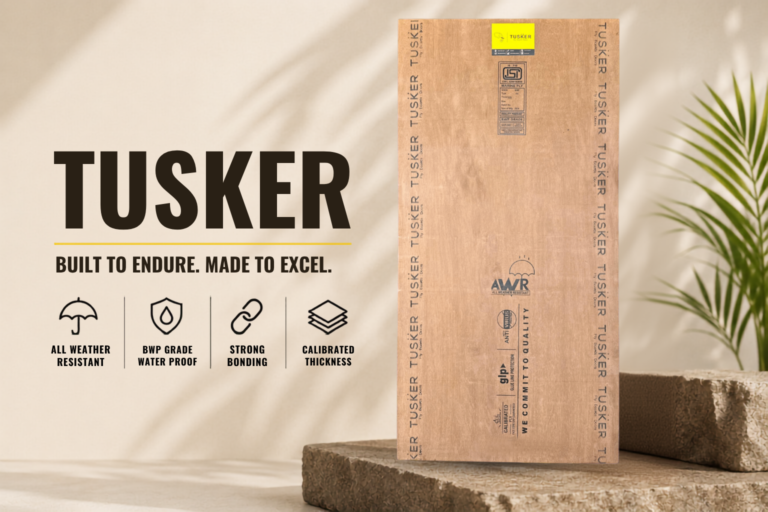
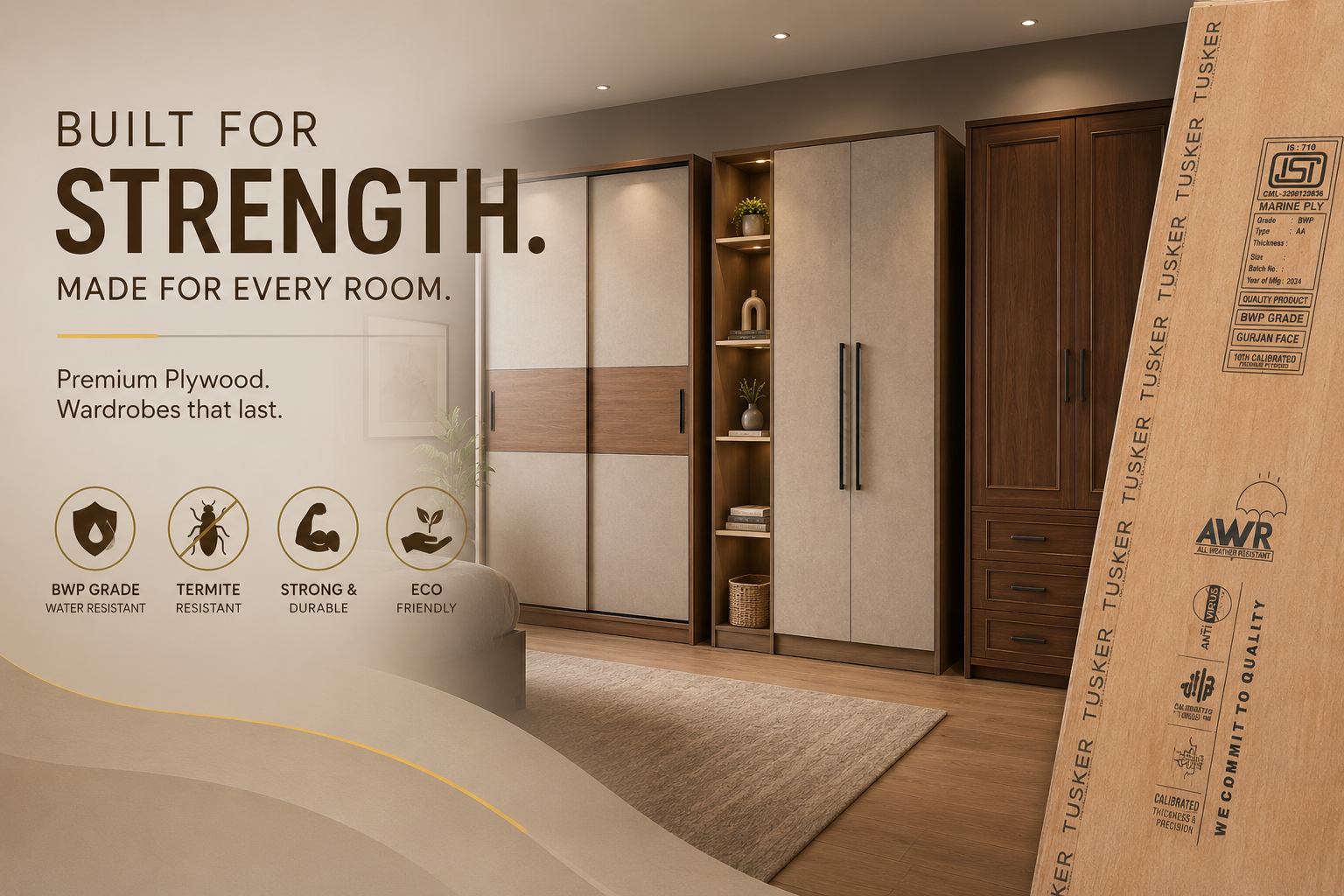
Tusker Ply offers premium plywood options designed to deliver strength, dimensional stability, and long-term reliability for modern furniture applications.
Wardrobe Shelves
Shelves constantly support heavy clothing and storage boxes.
Recommended material:
- 19mm plywood
This minimizes shelf bending and improves long-term performance.
Pro Tip
Long shelves should always have adequate support to prevent sagging.
Wardrobe Doors
For modern painted wardrobes:
- MDF provides a smooth finish.
For premium wooden aesthetics:
- Decorative veneer over plywood offers an elegant appearance.
Pro Tip
The outer finish should complement your interior style, while the inner core should prioritize durability.
BWP vs MR Plywood: Understanding the Difference
Many homeowners struggle to decide between BWP and MR plywood.
| Feature | BWP Plywood | MR Plywood |
|---|---|---|
| Full Form | Boiling Water Proof | Moisture Resistant |
| Water Resistance | Excellent | Moderate |
| Ideal Location | Humid & coastal areas | Dry indoor rooms |
| Durability | Very High | High |
| Best Application | Kitchens, bathrooms, wardrobes in humid spaces | Bedrooms and dry interiors |
If your wardrobe is likely to experience moisture or humidity, BWP-grade plywood provides greater long-term protection.
Pro Tip
Match the plywood grade to your home’s environment instead of selecting purely based on price.
Things to Check Before Buying Wardrobe Material
Before your carpenter purchases materials, confirm these important points.
Choose Proper Thickness
- 19mm for shelves
- 19mm for shutters
- 9mm–12mm for back panels
Verify Quality Standards
Look for recognized quality certifications that indicate the board has been tested for strength and performance.
Check Termite Protection
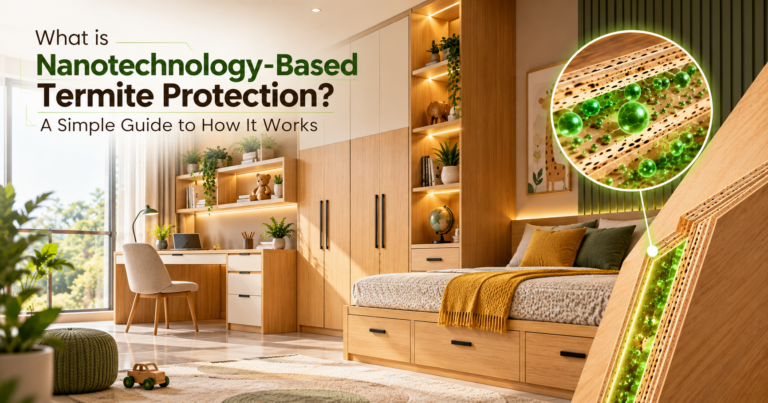
A wardrobe is a long-term investment. Choosing pre-treated plywood helps reduce the risk of termite and borer damage.
Ask About Moisture Resistance
Humidity affects furniture differently depending on your location.
If you live in:
- Coastal cities
- High rainfall regions
- Ground-floor homes
consider moisture-resistant plywood for better performance.
Pro Tip
Spending slightly more on quality materials today often saves significant repair costs later.
Why Choosing Quality Plywood Makes a Difference
Furniture replacement is expensive, disruptive, and avoidable.
High-quality plywood offers advantages such as:
- Longer furniture life
- Better screw holding
- Stronger shelves
- Improved moisture resistance
- Better dimensional stability
- Reduced maintenance
- Enhanced durability
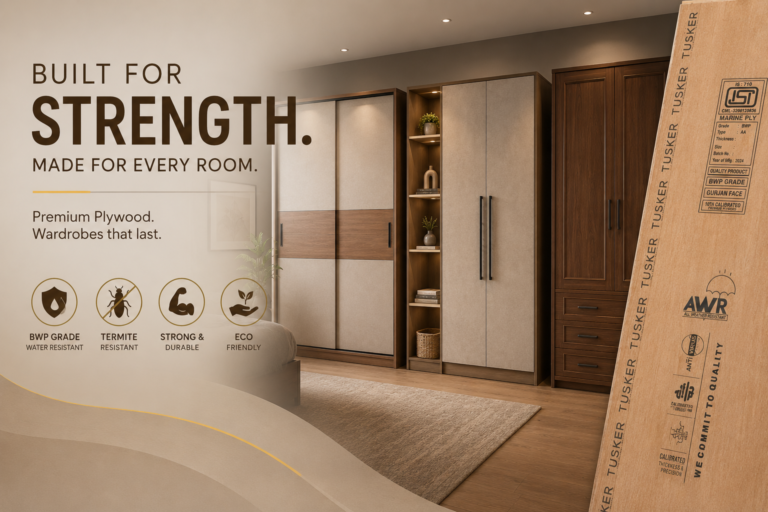
Tusker Ply focuses on manufacturing plywood designed for modern furniture requirements, helping homeowners create wardrobes that remain sturdy and reliable for years.
Key Takeaways
Choosing the right wardrobe material is about much more than appearance. While finishes and colors create visual appeal, the core material determines how well your wardrobe performs over time.
Keep these points in mind:
- Use plywood for the wardrobe structure.
- Select BWP plywood for humid conditions.
- Choose MR plywood for dry indoor environments.
- Use MDF for smooth painted shutters.
- Select veneer when you want a premium natural wood finish.
- Avoid particle board for heavy-duty shelves.
- Verify quality standards before purchasing.
- Invest in trusted products like Tusker Ply for long-lasting performance.
A thoughtfully built wardrobe doesn’t just organize your belongings—it protects your investment and adds lasting value to your home