When most people hear the term net-zero building, they immediately think about solar panels, energy-efficient lighting, and smart HVAC systems. While these technologies certainly play a major role in reducing operational energy consumption, there’s another critical factor that often gets overlooked: the materials used to construct the building itself.
Imagine two office buildings that consume the same amount of energy every year. One was built using conventional materials with high carbon emissions during manufacturing, while the other was constructed using sustainable, low-emission alternatives. Even if both buildings perform equally after completion, their environmental impact can be dramatically different.
The reason lies in a concept called embodied carbon—the emissions generated during the extraction, manufacturing, transportation, and installation of building materials.
For architects, builders, interior designers, and homeowners, understanding the role of green building materials is becoming essential in creating truly sustainable spaces.
Understanding Green Building Materials
Green building materials are products designed to reduce environmental impact throughout their lifecycle. These materials focus on responsible sourcing, lower emissions, improved durability, and healthier indoor environments.
Unlike operational energy systems, which can be upgraded over time, material choices become a permanent part of a building.
Why It Matters
Once concrete is poured, steel is installed, and plywood is integrated into furniture or wall systems, the environmental footprint of those materials is locked into the structure for decades.
This makes the material selection phase one of the most important steps in achieving net-zero building goals.
Pro Tip
Evaluate materials based on their complete lifecycle—not just their purchase price. Long-term environmental performance often provides greater value than short-term cost savings.
The Hidden Carbon Cost of Construction
Many sustainability discussions focus heavily on reducing electricity consumption, but embodied carbon is responsible for a significant share of a building’s total emissions.
Globally, the construction sector contributes a large percentage of annual carbon emissions, with building materials accounting for a substantial portion of that impact.
A Real-World Scenario
Consider a commercial office project aiming for sustainability certification. The design team invests in energy-efficient systems and renewable energy generation. However, if the project uses high-emission materials throughout construction, a significant amount of carbon has already entered the atmosphere before employees even move in.
This demonstrates why material choices matter from day one.
Key Takeaway
A net-zero strategy that ignores embodied carbon addresses only part of the sustainability challenge.
Pro Tip
Request environmental documentation and emission data from material suppliers before finalizing specifications.
Material-Led Sustainability: Looking Beyond Surface Aesthetics
Sustainable design is about much more than creating attractive interiors. The true environmental performance of a material lies in how it is produced and what impact it has after installation.
Modern zero-emission plywood products are designed to reduce harmful emissions while maintaining strength, durability, and aesthetic appeal.
One important factor is the use of formaldehyde-free or low-emission manufacturing processes that support healthier indoor environments.
Why This Matters
Many conventional wood products release volatile organic compounds (VOCs) long after installation. In tightly sealed energy-efficient buildings, these emissions can accumulate indoors over time.
By choosing low-emission materials, builders can improve both sustainability and occupant well-being.
Pro Tip
When comparing products, always check for third-party certifications related to emissions and indoor air quality.
Indoor Air Quality: An Often Overlooked Sustainability Factor
Sustainability isn’t just about protecting the environment—it’s also about creating healthier spaces for people.
Poor indoor air quality can affect comfort, productivity, and overall well-being.
The Connection Between Materials and Health
Many traditional wood-based products rely on adhesives that release formaldehyde and other VOCs. These emissions may continue for years after installation.
In contrast, CARB-certified plywood and other low-emission products are designed to minimize indoor pollution.
Example
A modern home built with excellent insulation may consume less energy, but if high-emission materials are used throughout the interiors, occupants may still experience poor indoor air quality.
This is why material selection should always be part of a holistic sustainability strategy.
Pro Tip
Prioritize materials that support both environmental performance and occupant health.
How to Choose the Right Eco-Friendly Plywood
Selecting eco-friendly plywood involves evaluating more than just appearance and cost.
Experts generally recommend assessing three key factors:
1. Timber Source
The origin of the wood significantly impacts environmental performance.
Responsibly managed plantations help reduce pressure on natural forests while supporting renewable resource cycles.
2. Manufacturing Process
Look for products manufactured using low-emission technologies and environmentally responsible production methods.
3. Post-Installation Emissions
The environmental impact of a product doesn’t end at the factory. Emissions released after installation directly affect indoor air quality.
Pro Tip
An eco-friendly plywood product should perform well across all three categories: sourcing, manufacturing, and emissions.
The Forestry Advantage of Plantation-Sourced Timber
Responsible forestry plays an important role in sustainable construction.
Plantation-grown timber is cultivated specifically for wood production and can offer several environmental benefits when managed correctly.
Benefits of Plantation-Based Sourcing
- Renewable and continuously replenished resource
- Reduced dependence on old-growth forests
- Improved traceability throughout the supply chain
- More consistent material quality
- Potential carbon absorption during growth cycles
Real-World Example
Many sustainable construction projects now specify plantation-sourced timber products because they align with environmental compliance requirements while maintaining reliable performance.
Pro Tip
Ask suppliers for sourcing transparency and traceability documentation before specifying materials.
Why CARB Certification Matters
One of the most recognized standards for wood panel emissions is the California Air Resources Board (CARB) certification program.
What Is CARB Phase 2?
CARB Phase 2 establishes strict limits on formaldehyde emissions from wood products, helping ensure healthier indoor environments.
For architects and procurement teams, CARB-certified plywood provides confidence that a product meets rigorous emission requirements.
Benefits of CARB-Certified Products
- Lower formaldehyde emissions
- Improved indoor air quality
- Easier compliance with sustainability frameworks
- Greater confidence in material performance
Pro Tip
Always verify certification documentation rather than relying solely on marketing claims.
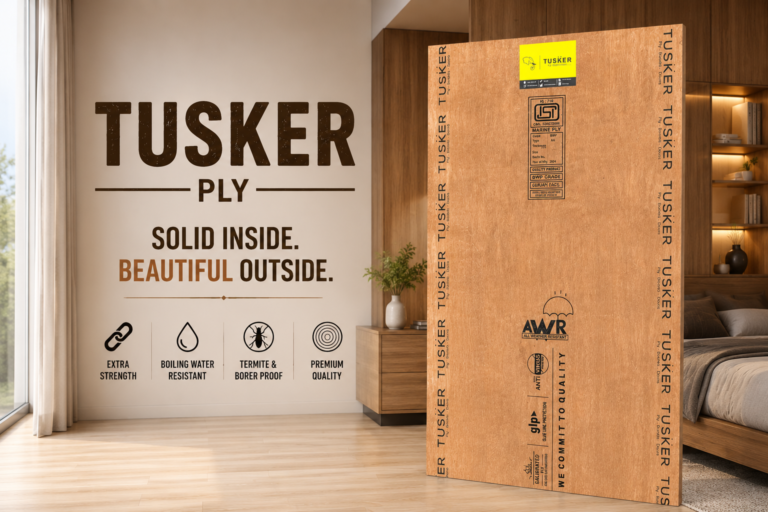
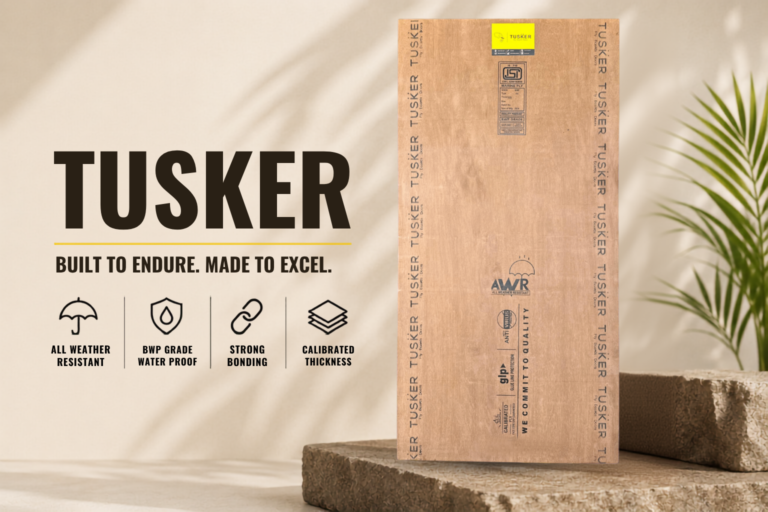
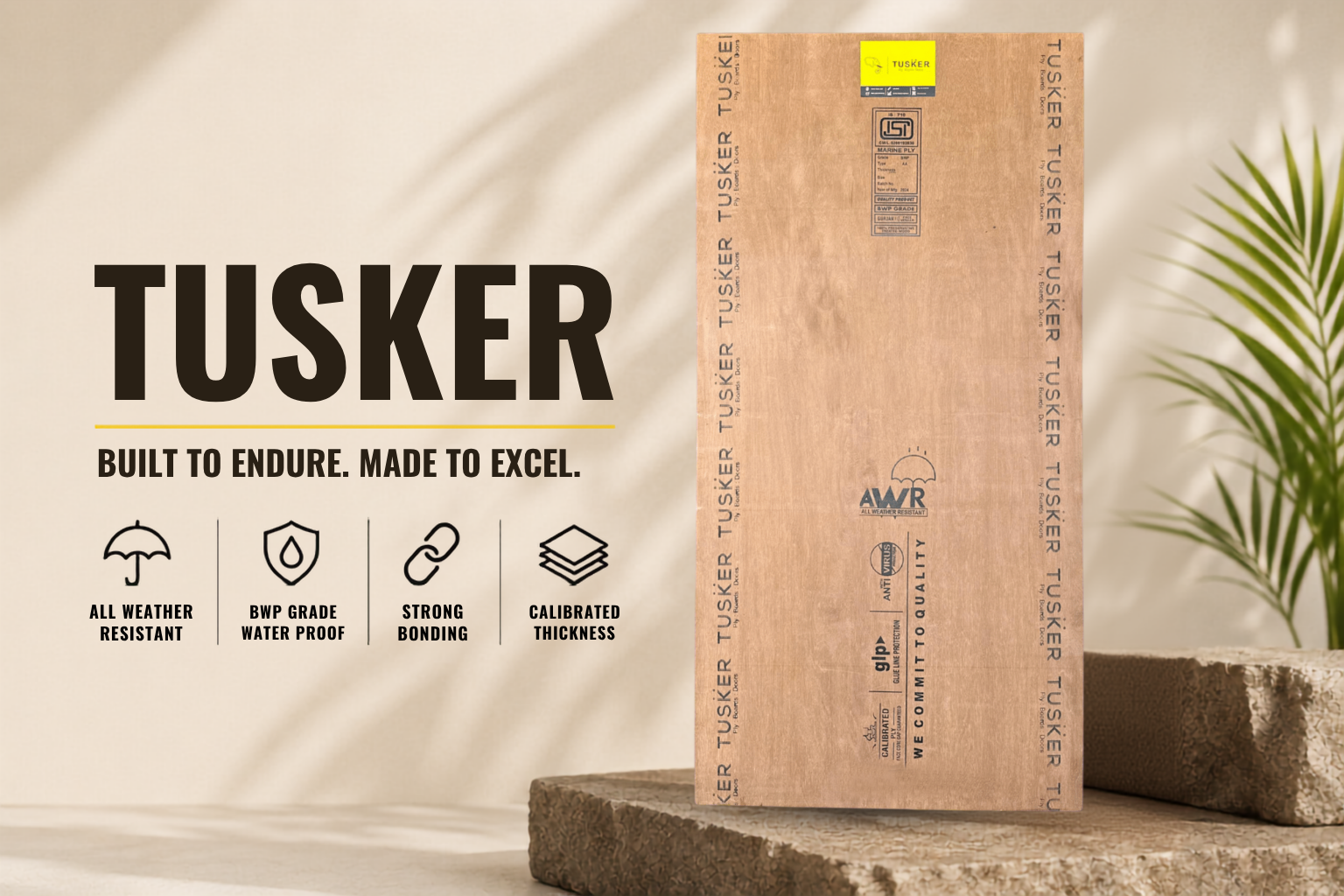
Benefits of Choosing Tuskerply Zero-Emission Plywood
For projects focused on sustainability, Tuskerply zero-emission plywood supports multiple environmental and performance goals.
Reduced Emissions
Manufactured with low-emission technologies that help support healthier interiors.
Better Indoor Air Quality
Minimizes exposure to harmful VOC emissions often associated with conventional products.
Sustainable Material Sourcing
Uses responsibly sourced timber to support environmentally conscious construction practices.
Consistent Manufacturing Quality
Uniform raw materials contribute to reliable performance and durability.
Future-Ready Specifications
Supports the growing demand for sustainable and environmentally responsible building materials.
Pro Tip
Sustainability should enhance performance—not compromise it. Look for products that deliver both.
Practical Applications of Eco-Friendly Wood Products
Net-Zero Building Projects
Material selection contributes directly to embodied carbon reduction strategies.
Green-Certified Buildings
Sustainable materials help support certification requirements and environmental benchmarks.
Energy-Efficient Homes
Low-emission products improve indoor environmental quality in tightly sealed structures.
Commercial and Corporate Spaces
Organizations increasingly specify eco-friendly wood products to support ESG and sustainability objectives.
Pro Tip
The earlier sustainable materials are considered during design, the greater their long-term impact.
Common Mistakes to Avoid
Treating Sustainability as an Energy-Only Issue
Operational efficiency is important, but embodied carbon must also be addressed.
Ignoring Emission Certifications
Unverified environmental claims may not meet compliance or performance expectations.
Overlooking Indoor Air Quality
A building can be energy efficient while still exposing occupants to unnecessary pollutants.
Delaying Material Decisions
Sustainable material choices should be made during design—not after construction begins.
Neglecting Supply Chain Transparency
Lack of traceability can create environmental and compliance risks.
Pro Tip
Ask three questions before specifying any material:
- Where does it come from?
- How is it made?
- What does it emit after installation?
Final Thoughts
The conversation around net-zero building is evolving. Today, sustainability extends far beyond energy consumption and renewable power systems.
The materials chosen during design and construction have a lasting impact on embodied carbon, indoor air quality, and overall environmental performance.
By prioritizing green building materials, eco-friendly wood products, CARB-certified plywood, and zero-emission plywood, architects, builders, and homeowners can make smarter decisions that benefit both people and the planet.
In the journey toward sustainable construction, material choices are not a small detail—they are one of the most important decisions you’ll make.