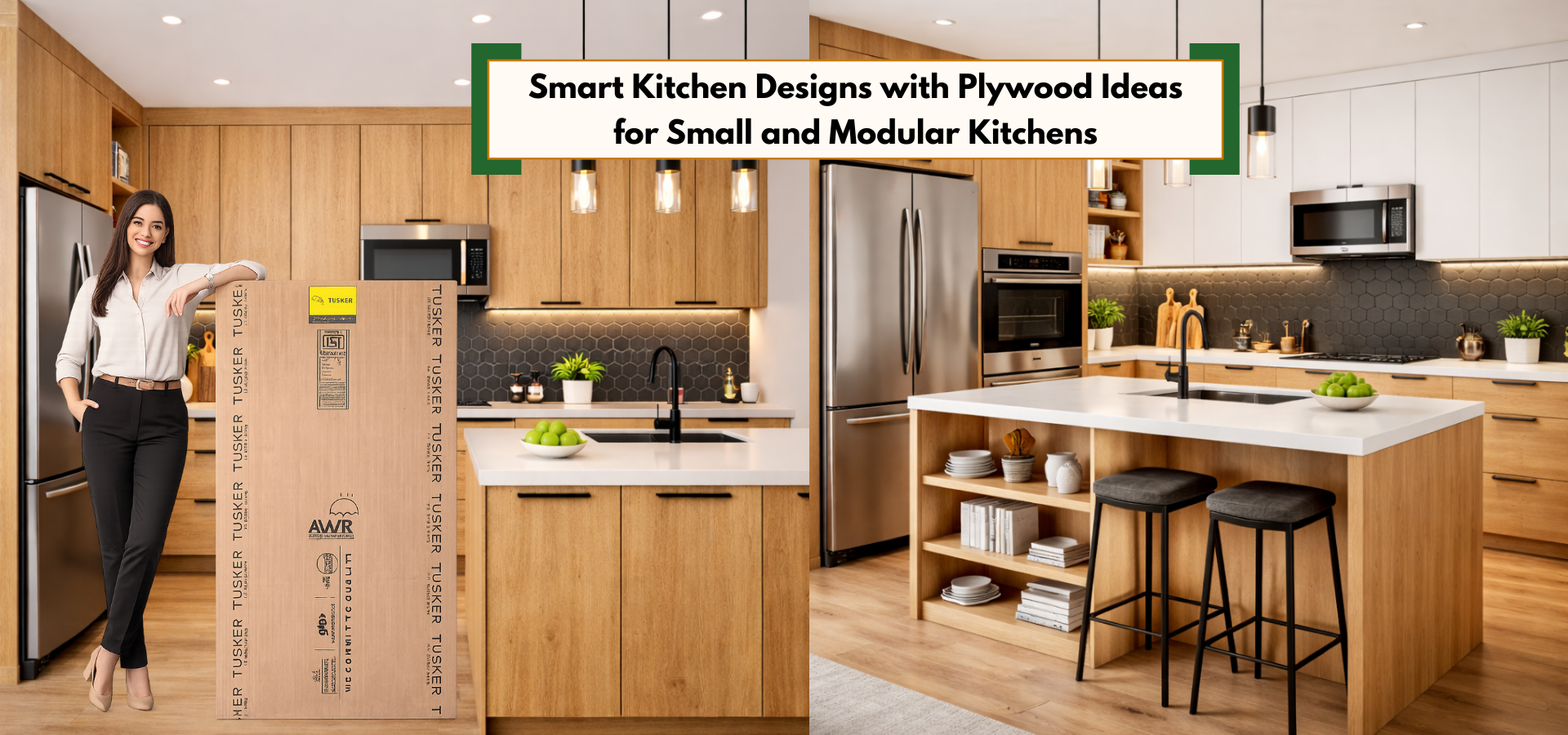
Modern urban homes often face a common challenge — designing a functional kitchen within limited space. When planning a kitchen interior design for home, homeowners need the right balance of storage, durability, and aesthetics. In smaller homes or apartments, poor material choices or inefficient layouts can quickly lead to cluttered countertops, weak cabinets, and difficult-to-maintain spaces.
This is where plywood-based kitchen solutions become extremely valuable. With the right materials and thoughtful design, plywood helps create kitchens that are strong, practical, and visually appealing for modern lifestyles.
Why Plywood Is a Preferred Kitchen Material
Kitchens are exposed to moisture, heat, oil, and daily usage, which makes material selection extremely important. Plywood is engineered to handle these demanding conditions better than many traditional boards.
Its cross-layered construction provides higher structural stability, making it less likely to warp, bend, or crack over time.
Practical Uses of Plywood in Kitchen Design
Plywood is widely used in several kitchen components, including:
- Cabinet frames and shutter panels
- Loft storage shelving
- Modular kitchen drawers and partitions
- Under-sink cabinet structures
- Tall pantry units
For small kitchen renovations, plywood is particularly effective because it is durable, easy to work with, and suitable for modular kitchen systems that maximise space efficiency.
Layout Concepts That Maximise Small Kitchens
Even compact kitchens can become efficient and stylish when paired with smart layouts and well-constructed plywood cabinetry.
Linear Kitchen Planning
A single-wall kitchen layout works best in small apartments and studio homes. With streamlined plywood cabinets and minimal storage units, this layout keeps the kitchen organised while reducing visual clutter.
L-Shaped Kitchen Layouts
An L-shaped kitchen improves workflow and makes better use of corner areas. When built with strong plywood base cabinets and pull-out storage units, this layout increases accessibility and storage efficiency.
Open Kitchen Integration
In modern homes, open kitchens connected to living areas are becoming increasingly popular. Plywood cabinetry blends well with surrounding interiors, helping maintain design continuity between the kitchen and other living spaces.
Window-Centric Kitchen Planning
Positioning storage around windows using plywood shelves and cabinets allows natural light to enhance the kitchen environment. Thoughtfully planned kitchen windows also improve ventilation and create a brighter workspace.
Design Details That Elevate Everyday Kitchens
While durability is essential, the small design elements determine how comfortable and efficient a kitchen truly feels.
Clean Cabinet Surfaces
Flat-panel plywood cabinet shutters with subtle laminate finishes complement modern kitchen interior ideas and are easy to maintain.
Efficient Drawer Systems
Well-constructed modular kitchen drawers built on plywood frames ensure smooth movement and long-lasting functionality.
Space-Saving Door Styles
Minimalistic shutters inspired by modern kitchen door design concepts help maintain a clean and organised kitchen appearance.
Balanced Finishes
Neutral laminates and subtle textures applied on plywood cabinets create a visually balanced modern modular kitchen design, especially in compact homes.
Choosing the Right Plywood Configuration
Selecting the right plywood grade and thickness is essential to ensure long-term durability in kitchen furniture.
Thickness Selection
- 18–19 mm plywood is recommended for kitchen cabinets, base units, and heavy storage structures.
- 6–12 mm plywood is commonly used for cabinet shutters and internal shelving.
Importance of Plywood Grades
Different areas of the kitchen require different levels of moisture resistance.
- BWP grade plywood is ideal for areas near sinks and water exposure.
- BWR grade plywood is suitable for overhead cabinets and moderately dry areas.
Usage-Based Material Selection
When planning kitchen renovations for small kitchens, plywood selection should consider:
- Cooking frequency
- Kitchen ventilation
- Storage load
- Moisture exposure levels
These factors help determine the most suitable plywood grade for long-lasting performance.
How Tuskerply Supports Kitchen Performance
Kitchen interiors require materials that perform reliably under everyday stress. Tuskerply focuses on delivering plywood solutions designed for durability, strength, and long-term stability in interior applications.
Structural Strength
Tuskerply plywood is designed to provide strong support for base cabinets, tall storage units, and heavy kitchen structures, ensuring stability and load-bearing strength.
Moisture Resistance
Kitchen environments often experience high humidity. Tuskerply plywood is engineered to handle moisture exposure and environmental changes, helping maintain cabinet integrity.
Versatile Applications
Tuskerply plywood works effectively for modular kitchen systems, cabinet frameworks, storage partitions, and structural furniture elements, offering flexibility for various kitchen layouts.
Quality Assurance
Tuskerply products are manufactured according to recognised quality standards, ensuring reliability and long-term performance in kitchen installations.
Planning Kitchen Costs Efficiently
Kitchen renovation costs vary depending on design complexity, materials, city, and kitchen size. Proper planning helps homeowners prioritise essential upgrades while managing budgets effectively.
When planning a kitchen project, consider factors such as:
- Plywood grade and thickness
- Cabinet hardware and fittings
- Laminates or surface finishes
- Installation quality
- Kitchen layout complexity
Understanding these factors helps homeowners plan a cost-efficient kitchen design without compromising durability or functionality.
Mistakes That Reduce Kitchen Lifespan
Even well-designed kitchens can fail prematurely if incorrect materials or construction methods are used.
Common Mistakes to Avoid
- Using low moisture-resistant boards near sinks
- Selecting thin plywood for load-bearing cabinets
- Ignoring waterproof edge sealing
- Using uncertified or low-quality materials
Better Practices
- Choose plywood based on the level of moisture exposure.
- Follow recommended thickness guidelines.
- Ensure professional installation.
- Select trusted materials backed by quality assurance.
Tuskerply encourages homeowners to make informed choices that support long-lasting kitchen durability and performance.
A Practical Guide to Buying Kitchen Plywood
Before purchasing plywood for kitchen interiors, homeowners should evaluate both technical specifications and design compatibility.
Key Factors to Check
- Appropriate plywood grade for kitchen conditions
- Correct thickness for structural applications
- Quality certification and warranty coverage
- Compatibility with the overall kitchen interior design
- Suitability for modular kitchen layouts and compact spaces
A well-planned small kitchen design focuses on efficient layouts, smart storage solutions, and durable materials.
For best results, Tuskerply recommends consulting professional designers or authorised dealers to select the most suitable plywood solutions for your kitchen interiors.