
Furniture is not just about appearance. A beautifully designed cabinet or wardrobe may look perfect on the first day, but its real test begins with daily use. Doors are opened hundreds of times, shelves carry heavy loads, and kitchen cabinets face constant exposure to heat and moisture.
In many homes, problems like sagging shelves, warped doors, or cracked panels appear within a few years. The reason is often not the design — it is the material used inside the furniture.
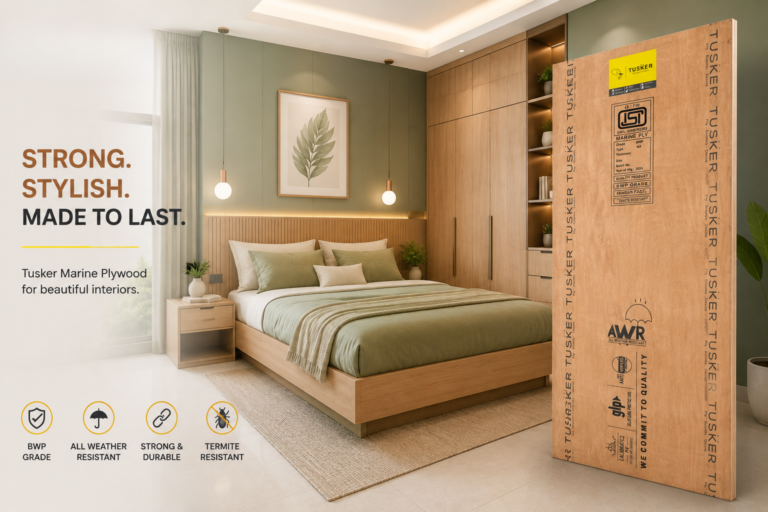
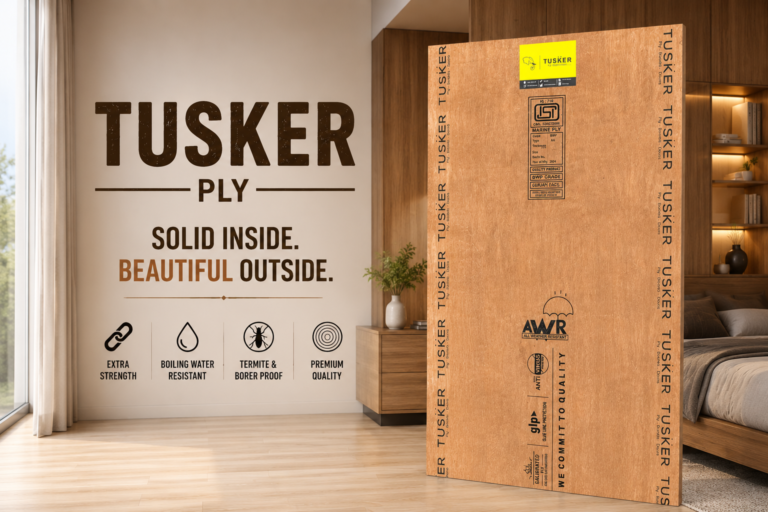
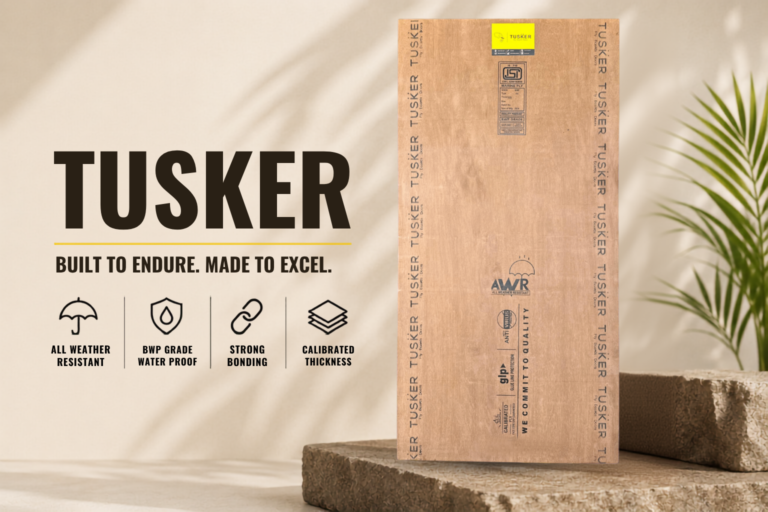
This is where choosing the right plywood becomes critical. High-quality plywood for furniture ensures that furniture remains stable, durable, and visually appealing for years. At Tuskerply, plywood is engineered to provide strength, consistency, and long-term reliability for modern homes.
This guide explores the real-world applications of plywood in furniture and provides practical insights to help homeowners, designers, and carpenters make better decisions.
Why Plywood Is the Preferred Material for Furniture
Solid wood has long been associated with traditional furniture, but modern interiors demand materials that offer both durability and flexibility. Plywood provides this balance.
Unlike solid wood, plywood is made by bonding multiple layers of wood veneer in alternating directions. This cross-layer construction improves stability and reduces the chances of bending or cracking.
Key Advantages of Plywood for Furniture
- Strong structural stability for long-term use
- Excellent screw-holding capability for hinges and fittings
- Better resistance to warping compared to solid wood
- Compatible with laminates, veneers, paints, and other finishes
High-quality options like Tuskerply Gold Plywood are designed to maintain consistent strength and durability, making them ideal for various furniture applications.
Real-World Example
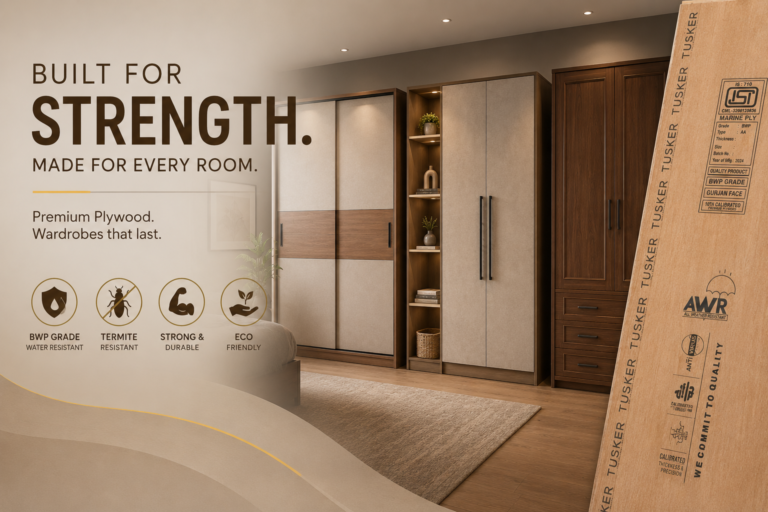
Consider a wardrobe installed in a bedroom. Over time, the shutters carry weight from hinges and experience daily movement. If low-quality boards are used, the door alignment may shift or warp. High-grade plywood prevents this issue by maintaining structural balance.
Pro Tip
Always choose furniture-grade plywood with strong core bonding. This ensures stability even after years of usage.
Using Plywood for Living Room Furniture
The living room often contains some of the most visible furniture in a home. From TV units to bookshelves, these pieces must combine style with strength.
Plywood for TV Units
A TV unit is more than just a decorative element. It supports televisions, sound systems, and storage drawers. For this reason, the plywood used must be strong and reliable.
Key considerations when selecting plywood for TV units include:
- Using waterproof plywood if the unit is installed near damp walls
- Choosing thicker plywood boards for wall-mounted designs
- Applying proper edge banding to maintain long-term finish quality
High-quality plywood from Tuskerply ensures that TV units remain stable without sagging or loosening over time.
Plywood Bookshelves and Storage Units
Bookshelves often carry heavy loads. Over the years, books accumulate and shelves experience increasing pressure.
To maintain durability:
- Use thicker plywood boards for shelving panels
- Avoid low-density cores that may bend under weight
- Ensure that back panels provide structural support
Real-World Scenario
A family installs a large bookshelf in their living room. Within two years, the shelf begins to bend due to heavy books. The issue could have been avoided by using thicker plywood and proper structural support.
Pro Tip
For wide shelves, add internal supports or partitions to distribute weight evenly.
Plywood for Doors and Entry Furniture
Doors are among the most frequently used components in any home. In many Indian homes, plywood darwaja designs are preferred because plywood offers structural consistency and stability.
Why Plywood Works Well for Doors
- Maintains shape despite seasonal humidity changes
- Provides a strong base for decorative door skins and laminates
- Supports hardware such as locks and hinges effectively
High-quality plywood ensures that doors remain flat and aligned even after years of use.
Common Problem with Poor-Quality Plywood
Low-grade plywood may absorb moisture and warp over time. This can cause doors to misalign, making them difficult to close properly.
Pro Tip
Always select plywood with strong moisture resistance for door applications, especially in humid climates.
Plywood for Storage and Cabinets
Cabinets experience constant stress from daily use. Drawers open and close repeatedly, shelves carry heavy items, and surfaces face occasional moisture exposure.
Understanding the types of plywood for cabinets helps prevent structural issues later.
What to Look for in Cabinet Plywood
- Strong joints and screw-holding capability
- Resistance to moisture from cleaning or spills
- Stable panels that do not loosen with time
For dry areas such as bedrooms or living rooms, moisture-resistant plywood works well. However, areas exposed to water require stronger protection.
Products like Tuskerply 710 Marine Plywood are designed to perform reliably in high-moisture environments.
Real-World Scenario
In many homes, kitchen cabinets start swelling after exposure to water. This usually happens when commercial-grade plywood is used instead of marine-grade plywood.
Pro Tip
Always match the plywood grade to the environment where the furniture will be installed.
Plywood for Kitchen Furniture
The kitchen is the most demanding area in a home. Heat, steam, spills, and constant usage put furniture materials under pressure.
Choosing the best ply for kitchen cabinets ensures that cabinets remain durable and functional over time.
Essential Properties of Kitchen Plywood
- High moisture resistance to prevent swelling
- Strong bonding that maintains durability over time
- Ability to support heavy utensils and appliances
Marine-grade plywood such as Tuskerply 710 Marine Plywood (BWP grade) is commonly used in kitchen furniture because it offers superior resistance to water and humidity.
Common Kitchen Applications of Plywood
Plywood is widely used in kitchen design for:
- Base storage cabinets
- Overhead cabinets
- Pantry units
- Floor-to-ceiling storage systems
- Drawer structures
Pro Tip
Avoid using commercial plywood in kitchens. Although cheaper, it may lead to swelling, delamination, and expensive repairs later.
How to Choose the Right Plywood for Furniture
Selecting plywood should not depend solely on price. Furniture performance depends heavily on choosing the correct plywood grade and thickness.
Practical Factors to Consider
- Match plywood grade with the furniture location
- Use thicker boards for load-bearing structures
- Avoid mixing different plywood grades within the same furniture unit
- Verify manufacturer certification and quality standards
Every piece of furniture has different structural requirements. A bookshelf, kitchen cabinet, and wardrobe all experience different levels of stress.
Real-World Example
A carpenter uses thin plywood for kitchen drawers to reduce cost. Within a year, the drawer base cracks under the weight of utensils. Choosing the correct thickness would have prevented the issue.
Pro Tip
Consult experienced carpenters or interior designers before selecting plywood for large furniture projects.
Why Branded Plywood Makes a Difference
Furniture problems rarely appear immediately. Most issues develop gradually due to humidity, weight, and regular usage.
Branded plywood manufacturers maintain strict quality control in core materials and bonding processes. This consistency ensures that furniture maintains its structural integrity over time.
Benefits of Using Branded Plywood
- Reliable bonding strength between layers
- Consistent core quality
- Improved durability for long-term use
- Better compatibility with finishes such as laminates and veneers
High-quality options from Tuskerply help maintain furniture stability while providing a smooth surface for design finishes.
Pro Tip
Always verify that plywood meets industry standards and certification requirements before purchasing.
Common Mistakes to Avoid When Choosing Plywood
Even well-designed furniture can fail if the wrong plywood is selected.
Mistakes That Often Lead to Furniture Damage
- Using thin plywood for heavy storage cabinets
- Choosing standard commercial plywood for kitchen furniture
- Ignoring edge sealing and proper installation
- Selecting low-quality plywood to save short-term costs
These mistakes may appear small during installation but often lead to long-term repair expenses.
Pro Tip
Investing in high-quality plywood during construction prevents costly replacements later.
Conclusion
Furniture durability begins with the right material choice. From living room furniture and storage cabinets to doors and kitchen units, plywood plays a critical role in maintaining strength and structural balance.
Understanding how plywood performs in real-world applications helps homeowners and designers create furniture that lasts longer and performs better.
High-quality plywood solutions from Tuskerply are designed to support everything from decorative living room units to heavy-duty kitchen cabinets. With reliable bonding strength, moisture resistance, and consistent core quality, Tuskerply products help ensure that furniture remains stable, functional, and visually appealing for years.
Choosing the right plywood today is an investment in furniture that will serve your home reliably for the long term.